AMRITA - S/T
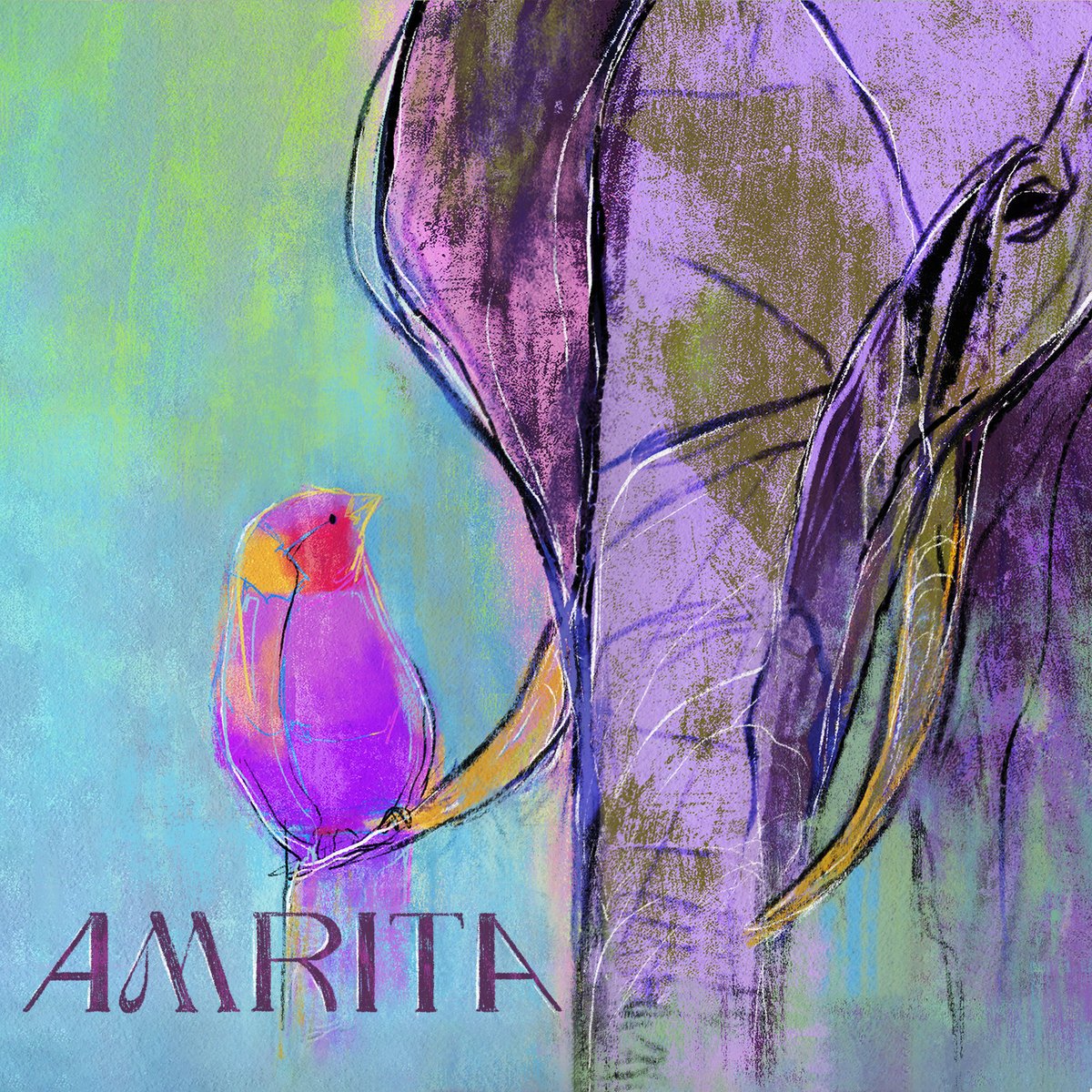
Self-Released
Released on May 15th, 2026
With a cup of chai in one hand and a notebook in the other, I settled down onto my living room carpet. The sun was alive, and this Sunday morning felt pregnant with promise. My Victrola Willow speaker blinked lazily, and “English Breakfast” filled the room.
This track by AMRITA is my second favourite in the set — the first being “Metamorphosis”, which is quite an accurate title for the genres explored in their self-titled album. AMRITA is the brainchild of Toronto-based duet Anita Katakkar and Kayla Milmine, formed around late 2022.
It’s not easy to find the perfect label for experimental music, but this duet makes it work. Blending classical North Indian music with modal jazz, the output is a synthesis of harmonies that fuse rhythm, tone, and structure. I’m particularly enamoured by their name; “amrita” is the Sanskrit word for a nectar promising immortality.
With a background in Indian classical music specializing in the tabla, a high-pitched North Indian drum, Anita Katakkar is a musician who has played several compositions with the Toronto Tabla Ensemble, a solo project called “Rakkatak” (which is her last name spelled backwards), and AMRITA, a collaborative project with Kayla Milmine. Milmine’s expertise as a soprano saxophonist inspired her to explore the underexplored potential that the instrument can offer, particularly in collaborative projects and her solo albums “Straight Horn Magick” and “Moods of Yellow” released in 2019 and 2022.
Inspired by the Grammy-winning artist Yusef Lateef’s concept of the ‘autophysiopsychic’ — a Scrabble power play word, for sure — AMRITA invites listeners to engage with their grounding, melodic music beyond the physical listening experience and into the mental, even spiritual. Lateef was a multi-instrumentalist known for integrating instruments around the world into his jazz compositions, such as bamboo flutes, the shahnai, folk percussive instruments.
There may not be a label that perfectly encapsulates AMRITA’s music, but experimental Indo-jazz would probably come pretty close. Through this album, the duet creates their own language and structure, allowing an interplay in texture, rhythm, and emotion. Both Indian classical music and jazz also have a strong culture in improvisation, which AMRITA performs beautifully.
The album also balances the tabla and the sax as protagonists of their songs, given that Kayla composed some songs while Anita composed others. For instance, both of the “Elephant Promenade” tracks have a fairly regal feel as the saxophone hums brightly throughout, almost like a flute. In contrast, “Dimension Jumping” features vocalizations (which are called bol in Hindi) that complement the tabla’s percussive beats, given that Anita uses them to anchor herself when composing songs.
In a chat over Zoom, the duet spoke about their direction for AMRITA’s future as they continue to explore and create music. Playing with only two instruments sometimes feels naked, Anita told me, but Kayla added that the dynamic range with both the tabla and the sax opens doors to endless possibilities.