Emily Steinwall - but, there’s beauty in the fall from Grace
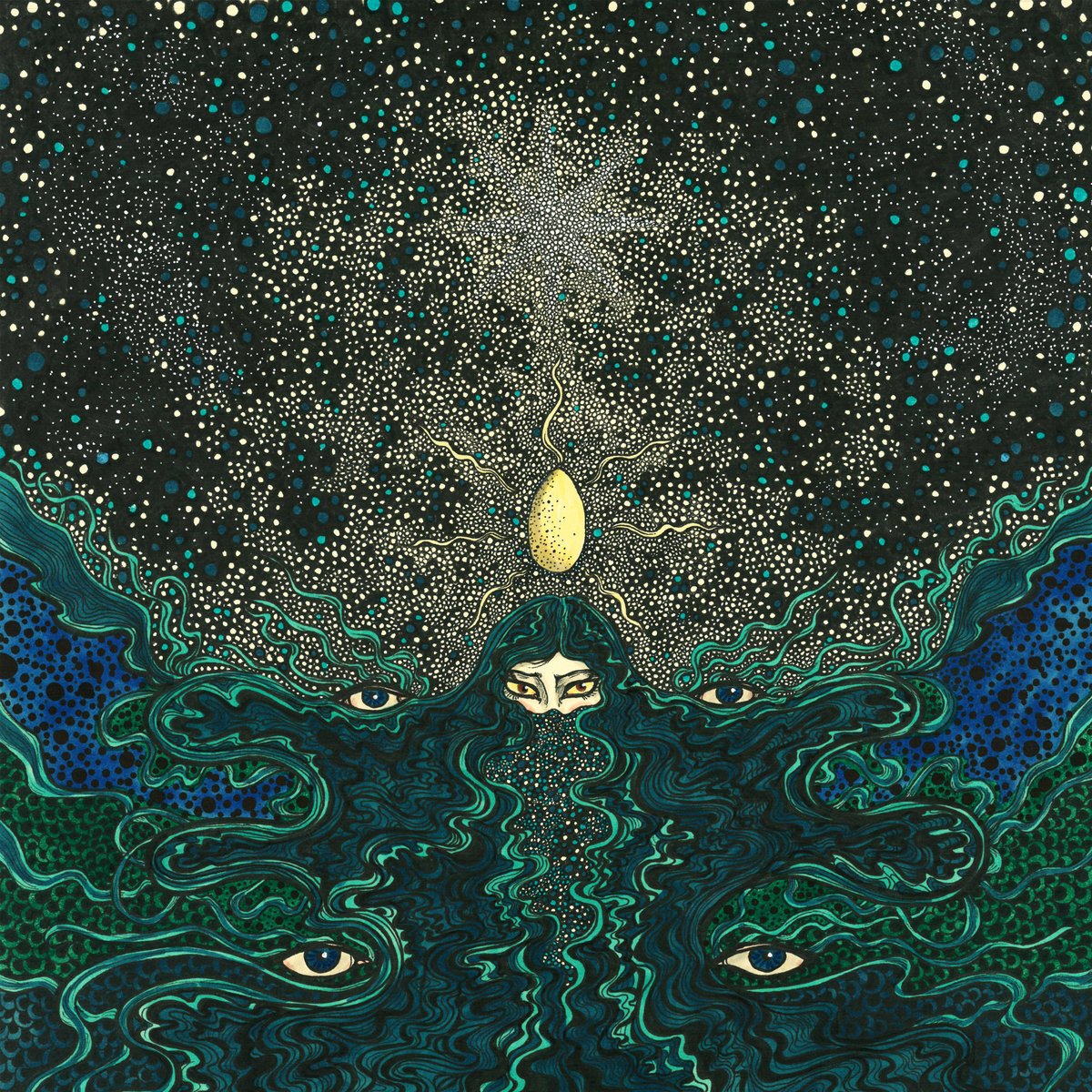
Self-Released
Released on August 7th, 2026
When you cue up Emily Steinwall’s first album, Welcome to the Garden, you’re immediately struck by the sheer ambition and cohesion of its vision. Few Toronto artists are as committed to world-building, and the chameleonic vocal character Steinwall adopts throughout her debut feels like an artist announcing the breadth of her vocabulary. Like Beethoven’s early piano sonatas, Steinwall’s debut sounds like an artist eager to demonstrate just how much she can do within the format of a concept album. The SOCAN Award-winning song that shares the album’s name is a 10-minute epic, equal parts Kate Bush yowl and raw psych prog, with crunchy guitar riffs fit for the descent into her horticultural pantheon.
It’s telling that Steinwall’s sophomore album, but, there’s beauty in the fall from Grace, begins a more varied approach to songwriting than its predecessor. The increased runtime is part of the shift, but the album also feels less concerned with maintaining the conceptual architecture of Garden and more interested in discovering what happens when Steinwall focuses on the “rock” of it all. It marks a new step in her artistic journey, stripping away some of the conceptual scaffolding of her debut and getting straight to her pissed-off point.
The tonal centre is the single “Human Anymore”: chunky power-pop verses give way to a crashing, anthemic chorus that does exactly what it says on the tin. Steinwall is fed up with the rat race, the doom scroll: “They’re all just trying to be rich and famous / No one actually says shit.” It’s the elephant in the room of our viral-metrics era, and you can hear Steinwall reducing her lyrics to the gnarly bone, pointing a finger and asking: who here is “human anymore?”
Steinwall’s voice remains as virtuosic as ever, leaping into operatic registers as dynamic vocal arrangements unfold behind her. This time, however, you can hear more of a “band.” The recordings seem inspired by some of her ’90s influences: on the aforementioned “Human Anymore” and “Rock Me, Baby,” Steinwall reaches deliberately for a grungier palette while still layering lush harmonies over the thick chug.
Because the album title begins with a conjunction, it almost sounds as though Steinwall is asking the album to complete the first half of a sentence. As Steinwall puts it, the goal is “not to find peace in spite of the darkness in our lives, but finding peace in sober acknowledgement of it.” She seems less interested in the seductive, haunting persona of her debut, and more like a world-weary riot grrrl.
Similarly, Steinwall turns inward, exploring vulnerability, desire and spirituality. In “No One Wins a War,” conflict becomes a metaphor for the interpersonal: “Would you please let me go? / I’m so tired and weary.” And yet, at the five-and-a-half-minute mark, a chorus of angels coos behind her. Details like this abound throughout the album, with bridges and endings taking unexpected turns and small production choices revealing themselves on repeat listens.
When in “The Fall” she croons that she has “started smoking again” and asks whether “that makes her weak?”, the personal vulnerability becomes impossible to separate from the tightly produced and arranged music around it. Where Welcome to the Garden often felt like Steinwall demonstrating the full breadth of what she could construct, but, there’s beauty in the fall from Grace feels more comfortable bringing Steinwall herself into the equation. It is more ambitious in scale, yet far more personal in its lyrics and delivery, as though you’re hearing Emily as Emily for the first time.